EV Market Analysis: Category Maturity and Consumer Adoption
The electric vehicle market has reached a critical maturity threshold, offering improved range, charging efficiency, and price competitiveness across diverse consumer segments.
Transportation · Global · 2026-06-13 · 9 min read · By John Awab
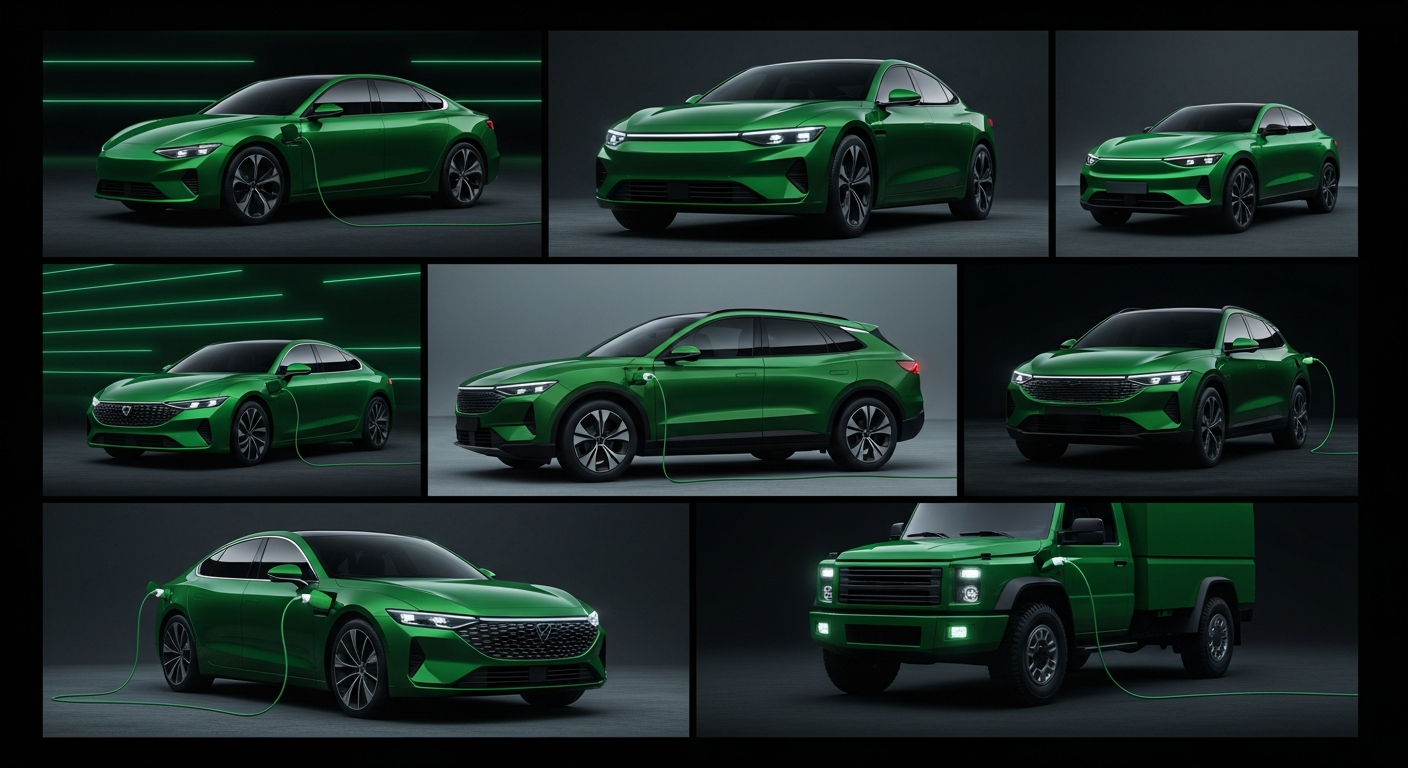
2026 is the first year you can walk into the EV market and find an excellent electric car for almost any need and budget — from a sub-$35,000 commuter to a 400-mile luxury sedan to a three-row family SUV that genuinely replaces a minivan. The market has matured: ranges routinely top 300 miles, fast charging takes under 20 minutes on the best platforms, and used EV prices have come back to earth. The practical barriers that once held buyers back are falling fast.
This guide rounds up the best electric cars of 2026 by category, explains how to choose the right one, and previews what's coming next. (Prices, specs, and incentives change frequently and vary by trim and region, so always verify current details before buying. This is general information, not purchase or financial advice.)
How to Choose the Best Electric Car for You
The "best" EV depends entirely on your needs. Weigh these factors:
- Range — how far it goes on a charge. Most buyers are well served by 250–300 miles; road-trippers may want more.
- Charging speed — how fast it refills on a DC fast charger, and whether it's built on a faster 800-volt platform.
- Price and running costs — purchase price plus electricity, maintenance, and resale value.
- Use case — commuting, family hauling, towing, or city driving each point to different vehicles.
- Incentives — federal and local EV incentives have shifted significantly, so confirm what (if anything) currently applies to you.
Match the car to how you'll actually use it, not just the headline range number.
The Best Electric Cars of 2026 by Category
Best Overall: Tesla Model 3 and Hyundai Ioniq 6
Two cars trade the top spot. The Tesla Model 3 remains the benchmark — strong range (around 360 miles in some trims), lively driving, cutting-edge tech, improved ride comfort, and a price that undercuts much of the competition. The Hyundai Ioniq 6 is the efficiency champion, with striking looks, roughly 360 miles of range, and a fun drive; its main drawbacks are tight rear headroom and modest cargo space. Either is an outstanding well-rounded choice.
Best Value / Affordable: Chevrolet Equinox EV and Nissan Leaf
The Chevrolet Equinox EV has become a value leader, delivering real range and space at a competitive price. The redesigned Nissan Leaf returns as an affordable, practical option. For 2026, several solid EVs start below $35,000 — a milestone that puts electric driving within reach of mainstream buyers.
Best Electric SUV: Hyundai Ioniq 5
The Hyundai Ioniq 5 is a feature-packed, fun-to-drive electric SUV that got notably more affordable for 2026. Built on the 800-volt e-GMP platform, it charges quickly and remains one of the most well-rounded EVs you can buy.
Best Family / Three-Row: Kia EV9
The Kia EV9 is the rare electric SUV that genuinely replaces a minivan or three-row crossover. Adults fit in the second and third rows without misery, cargo space stays respectable, and on a high-power charger it can go from about 10–80% in roughly half an hour. Three-row practicality without the usual EV penalties.
Best Luxury: Lucid Air and Lucid Gravity
Years after its debut, the Lucid Air is still the king of luxury EV sedans, combining class-leading range (around 410 miles), space, speed, and refinement. For those wanting a luxury SUV, the Lucid Gravity brings that same range-and-luxury formula to a larger, family-friendly package. The BMW i7 is another opulent flagship option, if a complex one.
Best Electric Truck: Rivian R1T and Rivals
The Rivian R1T is an exceptionally well-rounded electric truck with long range and genuine off-road ability, albeit at a premium. For maximum towing and hauling, the GMC Sierra EV and Chevrolet Silverado EV deliver, while the Ford F-150 Lightning remains a practical, familiar choice. The GMC Hummer EV offers headline-grabbing power and range for those who want it.
Best Performance and City EVs
For performance, the Ford Mustang Mach-E blends range with genuine fun. For city driving, the stylish Fiat 500e and the quick, compact Volvo EX30 stand out — though the EX30 has wrestled with software issues, and the 500e is pricey for its size. The much-improved Subaru Solterra is now a strong, efficient crossover pick.
The 800-Volt Advantage and Charging
A key 2026 differentiator is the charging platform. EVs built on 800-volt architecture — like the Hyundai Ioniq 5 and 6 and the Kia EV6 — can accept very high charging power and go from 10–80% in roughly 18 minutes, while many 400-volt competitors need 30–45 minutes for the same top-up. If you fast-charge often or take road trips, an 800-volt car is worth seeking out. Most new EVs also now use the NACS charging standard, opening access to the largest fast-charging network.
What's Coming Next
The pipeline is rich. A reborn BMW i3 sedan on the new Neue Klasse platform targets an astounding ~490-mile range in late 2026. The more affordable Rivian R2 aims to broaden Rivian's appeal, and a high-performance Alfa Romeo Giulia EV promises up to 1,000 horsepower and sub-3-second acceleration. The message: EV choice keeps expanding across every segment and price point.
Should You Buy an EV in 2026?
For many buyers, the case is stronger than ever — but it depends on circumstances. The pros: lower running costs, instant torque, quiet driving, and a far better charging-and-range experience than even a couple of years ago. The considerations: shifting incentives (the federal landscape has changed, so don't assume a credit applies), access to home or workplace charging, and your typical driving patterns. The used-EV market is also unusually attractive in 2026, with prices down significantly from their peak, offering excellent value for budget-conscious buyers.
The Bottom Line
The best electric cars of 2026 prove the EV era has gone from aspirational to accessible. The Tesla Model 3 and Hyundai Ioniq 6 lead the all-rounders, the Ioniq 5 and Kia EV9 dominate SUVs and family duty, the Lucid Air and Gravity rule luxury, and the Rivian R1T heads a strong field of electric trucks — with affordable options like the Chevrolet Equinox EV finally bringing 300-mile range within mainstream reach.
The right EV is the one that fits your range needs, charging access, budget, and life. With more choice, faster charging, and better value than ever, there's a genuinely excellent electric car for almost everyone in 2026. Verify the latest specs, prices, and incentives, take a test drive, and find your match.
Want more? Explore AxionSquare for ongoing coverage of electric vehicles, EV batteries, charging, and the future of transportation.
Frequently Asked Questions
What is the best electric car in 2026?
There's no single winner, but the Hyundai Ioniq 6 and Tesla Model 3 lead as the best all-around choices for range, efficiency, tech, and value. The best pick depends on your needs — the Kia EV9 for families, Lucid Air for luxury, and Rivian R1T for trucks.
What is the most affordable electric car in 2026?
Several solid EVs now start below $35,000, including the Chevrolet Equinox EV and the redesigned Nissan Leaf, making 2026 a milestone year for affordable electric driving. The used-EV market also offers strong value as prices have fallen.
Which electric car has the longest range?
The Lucid Air leads among widely available models with around 410 miles, and upcoming cars like the Neue Klasse BMW i3 target even more (~490 miles). Many mainstream EVs now comfortably exceed 300 miles.
What is the best electric SUV for families?
The Kia EV9 is the standout three-row family EV, offering genuine adult space in all rows, respectable cargo room, and fast 800-volt charging — effectively replacing a minivan or three-row crossover without the usual compromises.
Should I buy an electric car in 2026?
For many buyers, yes — running costs are low, the driving experience is strong, and charging and range have improved dramatically. Consider your charging access, driving patterns, and current incentives (which have shifted), and weigh a lightly used EV for extra savings.