Execution Standards for Modern Founders
Examination of the trade-offs between lower barriers to entry and higher execution standards for early-stage companies leveraging modern cloud infrastructure.
Startups · Global · 2026-06-10 · 10 min read · By John Awab
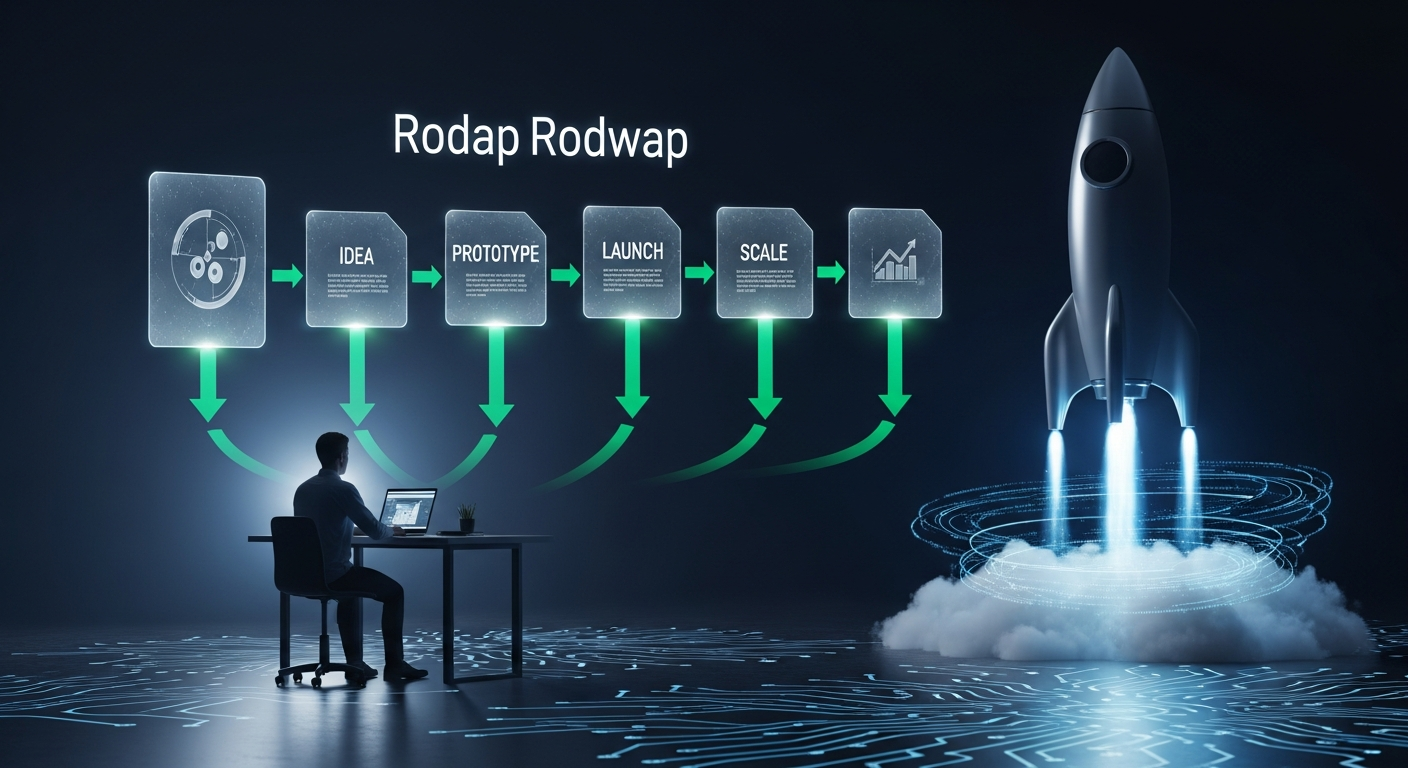
Starting a startup in 2026 is both easier and harder than ever before. AI tools, no-code platforms, cloud infrastructure, and global hiring have collapsed the cost and time to launch — a single founder can now ship a real product in days, not months. But the same forces have flooded every market with competitors, raising the bar on execution. The barriers are low; the standards are high.
This is a practical, step-by-step guide to starting a startup in 2026 — from validating your idea to building, funding, and scaling it. It won't sugarcoat the odds (most startups still fail), but it will give you the modern playbook the winners actually follow. (Note: this is general guidance, not legal or financial advice — consult professionals for your specific situation.)
Step 1: Find and Validate a Real Problem
Every successful startup begins with a real, painful problem — not a clever solution looking for one. The single most common reason startups fail is building something nobody wants, so this step matters more than any other.
Start with pain you've experienced yourself. Founders who are their own first customer build better products because they understand the problem viscerally. Then pressure-test it: is the problem frequent, painful, and something people will pay to solve? If you've never felt the problem, you risk building the wrong thing entirely.
Step 2: Talk to Customers Before You Build
This is the step most founders skip — and it's the cheapest insurance you'll ever buy. Before writing a line of code, talk to at least ten people who have the problem. Not friends or family, who will be polite, but strangers in the communities where your customers already gather: industry forums, Reddit, LinkedIn, professional groups.
Ask open questions: "What's the most frustrating part of this?" and "What do you do about it today?" You're listening for genuine pain and existing spending, not validation of your idea. If people won't engage now, they won't pay later. This conversation will sharpen — or save you from — your idea.
Step 3: Build a Focused MVP
Once you've validated real demand, build a minimum viable product (MVP) — the simplest version that delivers your core value. The cardinal rule: do one thing well. Not ten, not five — the one thing customers said they'd pay for. Everything else is a distraction.
A lean 2026 MVP needs only four things: the core feature, a way to accept payments (a payment processor like Stripe takes minutes to set up), a way for users to give feedback, and basic analytics. AI-assisted coding and no-code tools mean even non-technical founders can ship a working, deployed product fast — so the bottleneck is no longer building, it's knowing what to build.
Step 4: Get Your First Customers
Don't build and wait — hunt. Go where your customers already are and put your product in front of them directly. Early customers are won through hustle: direct outreach, communities, content, and conversations, not big marketing budgets.
Your first ten customers teach you more than any amount of planning. They reveal what actually delivers value, what they'll pay, and where the product falls short. Treat early go-to-market as a learning engine: every conversation feeds back into the product.
Step 5: Set Up the Business
With early traction, formalize the basics. This typically means choosing a legal structure (in the US, founders often weigh an LLC versus a C-corporation, with venture-track startups usually favoring a C-corp), registering the company, opening a business bank account, and setting up simple accounting. Keep it lean — don't spend weeks on incorporation before you've proven anyone wants what you're building. Because these choices have legal and tax consequences, it's worth a short consultation with a startup-focused attorney or accountant before committing.
Step 6: Decide How to Fund It
Funding is a choice, not a requirement. In 2026, many founders bootstrap — funding the business themselves — toward meaningful revenue before raising, because doing so gives them more leverage, more data, and better terms later. A growing number reach profitability having raised little or nothing, a feat that was rare in the old "growth at all costs" era.
If you do raise, the ladder runs from friends-and-family and angels to accelerators like Y Combinator and then institutional venture capital. Early AI-focused seed rounds in 2026 commonly run a few million dollars, with investors expecting that capital to fund aggressive validation and revenue growth toward a roughly $1–2 million ARR milestone within the first 12–18 months. Raise only when capital will accelerate something that's already working.
Step 7: Find Product-Market Fit, Then Scale
Before you pour fuel on growth, confirm you have product-market fit — real evidence that customers want your product, shown through retention and organic growth, not just signups. Scaling before this point burns cash chasing a model that doesn't hold.
Once you have it, scale deliberately: invest in the acquisition channels that work, hire to remove bottlenecks (increasingly with lean, global, remote teams), and automate repetitive operations. Speed of learning and disciplined execution — not headcount — define the winners.
Common Mistakes to Avoid
A few patterns kill startups predictably:
- Building before validating. Months spent perfecting a product nobody asked for.
- Over-engineering. Fine-tuning complex systems when a simple version would prove the concept in weeks.
- Platform dependency. If your entire value can be replicated by a minor update from a big AI provider, you don't have a defensible business — own the workflow, not just a thin layer on someone else's model.
- Hiring too early. Adding headcount before product-market fit accelerates the burn, not the business.
How AI Has Changed Starting a Startup in 2026
The playbook has been rewritten. You no longer need to know how to code, hire a large team, or raise money just to build — AI tools can take a validated idea to a working product remarkably fast. This is why lean, even solo, founders are increasingly outpacing larger venture-backed teams. But the leverage cuts both ways: your competitors have the same tools. In a world where building is cheap, the durable advantages are judgment, taste, customer insight, and a defensible workflow that competitors cannot easily replicate.
The Bottom Line
Starting a startup in 2026 follows a clear sequence: find a real problem, validate it with real customers, build a focused MVP, win your first users, set up the basics, fund it wisely, and scale only after product-market fit. The tools have never been more powerful, but the fundamentals — solving a genuine problem and proving demand before you scale — haven't changed.
Most startups fail because they skip the hard, unglamorous validation work. Do that work, move fast, stay lean, and build something genuinely defensible, and you'll give yourself the best possible shot at joining the small minority that succeed.
Want more? Explore AxionSquare for ongoing guides to startups, funding, and building in the AI economy.
Frequently Asked Questions
How do I start a startup with no money?
Start by validating a real problem through customer conversations and building a lean MVP using affordable AI and no-code tools. Many founders bootstrap to early revenue before raising, and modern tools make launching cheaper than ever.
What is the first step to starting a startup?
Finding and validating a real, painful problem — ideally one you've experienced yourself — and confirming demand by talking to at least ten potential customers before building anything.
How much does it cost to start a startup in 2026?
It varies widely, but AI and no-code tools have dramatically lowered costs, letting many founders launch an MVP for very little. Major expenses come later with hiring and scaling; many startups now reach profitability having raised relatively little.
Do I need to raise venture capital to start a startup?
No. Many founders bootstrap to meaningful revenue first, which gives more leverage and better terms if they later raise. Venture capital suits startups that need capital to accelerate a model that's already working.
How do I know if I have product-market fit?
Look for real evidence that customers want your product — strong retention, organic growth, and willingness to pay — rather than just signups or downloads. Reaching this milestone is the signal that it's time to scale.