Micromobility: The Evolution of Urban Transit
An analysis of e-bikes and shared vehicle fleets as a primary mode of urban transport and their integration into city infrastructure.
Transportation · Global · 2026-07-03 · 10 min read · By John Awab
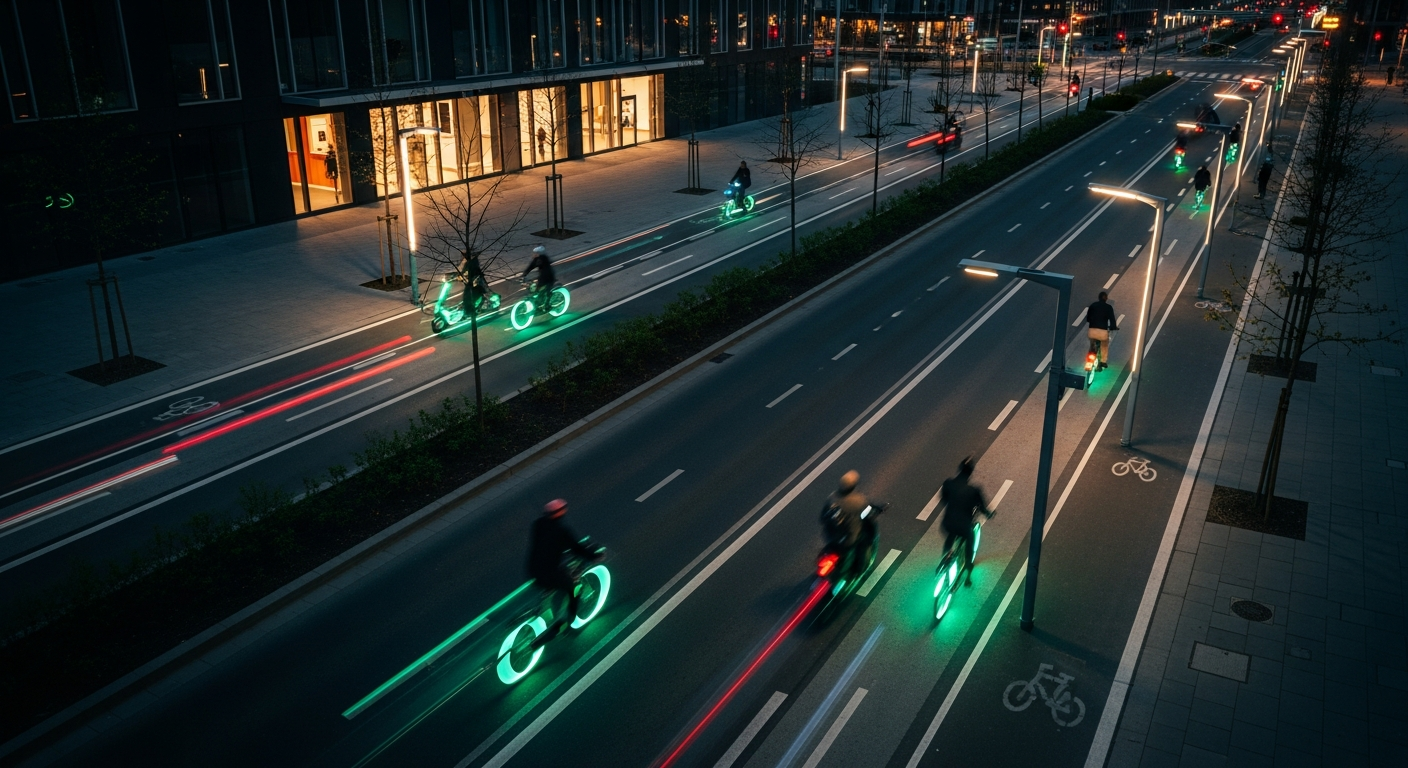
There's a category of trip that's too far to walk comfortably but too short to justify a car — the run to the train station, the crosstown errand, the last mile home. For decades, that gap was awkwardly filled or simply endured. Now it's being reshaped by micromobility: the e-bikes, e-scooters, and shared vehicles quietly transforming how people move through cities. What began as a novelty crowded onto sidewalks has, by 2026, matured into a dependable, everyday mode of transport embedded in urban systems across dozens of countries. The question riders ask has shifted from "should I try one?" to "which one should I use?" — and the market has grown into the hundreds of billions of dollars.
This guide explains what micromobility is, the personal and shared models, the vehicle types, the market, the technology, the benefits, the very real regulatory challenges, and where it's heading. (Market figures vary widely by source and scope, so treat them as estimates.)
What Is Micromobility?
Micromobility refers to lightweight, low-speed transportation designed for short trips — generally under about 8–10 kilometers — in urban and suburban areas. It fills the gap between walking and driving, and includes electric scooters, e-bikes, electric mopeds, bicycles, and electric skateboards, typically used by one person. The defining purpose is solving the "last-mile problem": the challenge of covering the short distance between a transit stop (or a car) and a final destination, which has long been a friction point in urban transportation.
The category spans both the vehicles themselves and the ecosystem around them — shared-fleet platforms, hardware manufacturing, battery systems, and the apps that manage it all.
Personal vs Shared Micromobility
Micromobility comes in two flavors. Personal ownership — where individuals buy their own e-scooter or e-bike — is the dominant and fastest-growing segment, propelled by improving reliability, longer battery life, and accessible financing and subscription plans. Shared micromobility — rental fleets of scooters and bikes accessed on demand through a smartphone app — is the model most people picture from city sidewalks, operated by companies that manage fleets via telematics and software platforms. Both are growing, and increasingly they coexist: someone might own an e-bike for daily commuting while grabbing a shared scooter for an unplanned trip across town.
The Vehicle Types
Several vehicle types make up the micromobility landscape:
- E-scooters are the fastest-growing segment — affordable, portable, requiring little physical effort, and ideal for last-mile trips. Forecasts project they'll far outnumber e-bikes in global units over the coming decade.
- E-bikes (pedal-assist or fully electric) are hugely popular for commuting and increasingly for cargo and errands; in many cities, shared bikes have actually overtaken e-scooters, seen as safer and more familiar.
- Bicycles remain foundational, and shared bikes are projected to stay the dominant urban micromobility mode.
- Electric mopeds, cargo bikes, and electric skateboards round out a diversifying field, widening use cases beyond pure last-mile trips.
A Booming Market
By most measures, micromobility is large and growing fast. The broad market — spanning vehicles, batteries, shared platforms, and infrastructure — has been valued in the low hundreds of billions of dollars, with projections for continued strong growth through the early 2030s, though estimates vary dramatically by definition and scope. Asia-Pacific dominates global volume, reflecting dense cities and high adoption. The shared micromobility segment specifically, while smaller, is expanding at double-digit annual rates as it becomes a standard part of urban transport. A landmark 2026 global study found shared micromobility now available in urban areas across more than 50 countries — no longer a trend confined to a few forward-looking cities, but a worldwide fixture.
Why Micromobility Is Taking Off
Several forces are driving adoption. Urbanization and congestion make small, nimble vehicles attractive for beating traffic. Environmental awareness favors low-emission alternatives to cars for short trips, which studies show can meaningfully reduce emissions. Affordability matters as people seek lower-cost options amid economic pressures. Smart city initiatives and government support — dedicated lanes, subsidies, and infrastructure — create favorable conditions. And the appeal of flexible, convenient last-mile travel — no parking hassles, no waiting — resonates across an expanding demographic that now spans all age groups, not just early-adopter millennials.
The Technology Driving 2026
Micromobility vehicles have improved dramatically. Battery advances are extending range, making 20–30 km trips feasible, while swappable and removable batteries improve convenience and support modular, more sustainable designs. Safer braking — including electronic anti-lock systems, regenerative braking, and hydraulic disc brakes — improves control on wet or uneven streets. Lighter, stronger frames using advanced alloys and composites cut weight while boosting durability, and refined folding mechanisms make vehicles easy to carry onto transit or into offices. On the fleet side, GPS, IoT connectivity, and AI-powered management help operators track vehicles, optimize routing, detect improper parking, and keep fleets running. The overall trajectory is toward quality, longevity, and daily dependability rather than flashy novelty.
Shared Micromobility Up Close
Shared systems have their own dynamics. Vehicles may be docked (returned to fixed stations), dockless/free-floating (left almost anywhere), or use virtual stations (GPS-defined parking spots). Free-floating remains the most common model globally but has drawn criticism for scooters cluttering pavements, so its dominance is slowly giving way to virtual stations that balance flexibility with order. Operators range from small city-specific firms to large venture-backed multinationals — names like Lime, Bird, Voi, Tier, Dott, and Bolt, alongside rideshare giants offering bikes and scooters. The industry has also seen consolidation through mergers as competition intensifies and operators pursue the still-elusive goal of sustainable profitability.
The Benefits
Micromobility offers compelling advantages. It reduces congestion by replacing short car trips with compact vehicles. It cuts emissions, supporting climate goals, especially for the short urban trips where cars are least efficient. It's affordable and accessible, lowering the barrier to convenient transport. It solves the last mile, connecting seamlessly to public transit for complete journeys. And it offers flexibility and health benefits, avoiding parking headaches while adding activity to daily routines. For cities grappling with traffic, pollution, and space constraints, micromobility is an appealing piece of the solution.
The Challenges
Micromobility faces significant hurdles. Regulatory fragmentation is the biggest — rules vary wildly between cities and countries, and some places have moved to restrict or even ban e-scooters and e-bikes on major roads over safety concerns, creating uncertainty for riders and operators alike. There's a push toward regulatory harmonization and unified safety standards, which would reduce complexity even if it creates short-term friction. Infrastructure gaps mean not every city has safe, dedicated lanes, forcing riders into traffic. Safety remains a live debate, with accidents and incidents shaping public perception, though improving braking, lighting, and rider analytics are helping. Battery quality and fire risk from low-grade or illegal batteries is a growing concern. Sidewalk clutter from poorly parked shared vehicles frustrates pedestrians. And operator profitability has long been challenging in the shared space. Navigating these — especially regulation and safety — is central to sustainable growth.
Integration with Public Transit and the Future
The most promising future for micromobility lies in integration with public transit. Rather than competing with buses and trains, micromobility complements them — handling the first and last mile of a journey that mass transit covers in the middle. Cities are increasingly building unified "Mobility-as-a-Service" apps that combine e-scooters, e-bikes, and transit into seamless multimodal trips, supported by sensor-enabled lanes and geofenced parking. Looking ahead, expect continued growth, better and more sustainable vehicles, smarter AI-driven fleets, maturing regulation, and ever-tighter integration into urban mobility systems. Researchers now argue cities should actively shape micromobility rather than treat it as a passing fad — a sign of how firmly it has arrived. The trajectory points toward micromobility becoming a permanent, essential layer of how cities move.
Conclusion
Micromobility has grown from a sidewalk novelty into a mature, essential mode of urban transport — e-bikes, e-scooters, and shared fleets filling the crucial gap between walking and driving. Driven by urbanization, sustainability, affordability, and smart-city support, and refined by better batteries, braking, and connectivity, it has become a daily utility for a broadening range of riders across dozens of countries.
Real challenges remain around regulation, safety, and infrastructure, and the shared-fleet business is still finding its footing. But with tightening integration into public transit and mobility-as-a-service platforms, micromobility is cementing its place as a convenient, affordable, and sustainable answer to the last-mile problem. Understanding it reveals one of the most tangible shifts underway in how the world's cities move.
Want more? Explore AxionSquare for ongoing coverage of micromobility, electric vehicles, and the technologies reshaping transportation.
Frequently Asked Questions
What is micromobility?
Micromobility refers to lightweight, low-speed transportation for short trips — generally under about 8–10 kilometers — including e-scooters, e-bikes, electric mopeds, bicycles, and electric skateboards, usually used by one person. It fills the gap between walking and driving, and is especially valued for solving the "last-mile" problem in urban transport.
What is the difference between personal and shared micromobility?
Personal micromobility means owning your own e-scooter or e-bike — the dominant, fastest-growing segment. Shared micromobility means renting vehicles on demand from fleets accessed through a smartphone app, operated by companies like Lime, Bird, Voi, and Tier. Many people use both — owning a vehicle for commuting and renting for occasional trips.
Is micromobility better than driving?
For short urban trips, micromobility offers real advantages: less congestion, lower emissions, affordability, no parking hassle, and easy last-mile connection to transit. It's not a replacement for all car travel, but for the short distances where cars are least efficient, it's often faster, cheaper, and greener — which is why cities are investing in it.
What are the main challenges facing micromobility?
The biggest is regulatory fragmentation — rules vary widely, and some cities have restricted or banned e-scooters and e-bikes over safety concerns. Other challenges include infrastructure gaps (lack of safe lanes), safety debates, battery fire risks from low-quality batteries, sidewalk clutter from shared vehicles, and profitability struggles for shared operators.
How is micromobility technology improving in 2026?
Key advances include longer battery range (enabling 20–30 km trips), swappable and removable batteries, safer braking systems (ABS, regenerative, hydraulic disc), lighter and stronger frames, better folding mechanisms for portability, and AI-powered fleet management using GPS and IoT for routing, safety, and parking. The focus has shifted toward quality, durability, and daily dependability.